CBS News Live
CBS News Colorado: Local News, Weather & More
Watch CBS News

Covering Colorado First
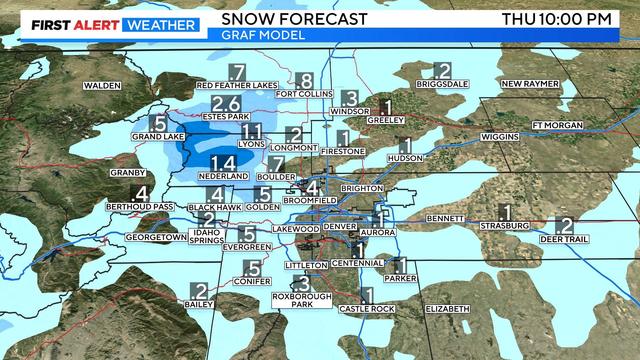
Thursday will be cold, wet and cloudy. Daytime highs will top out in the low 40s for the Denver metro area that's close to 25 degrees cooler compared to Wednesday when we topped out at 73 degrees.
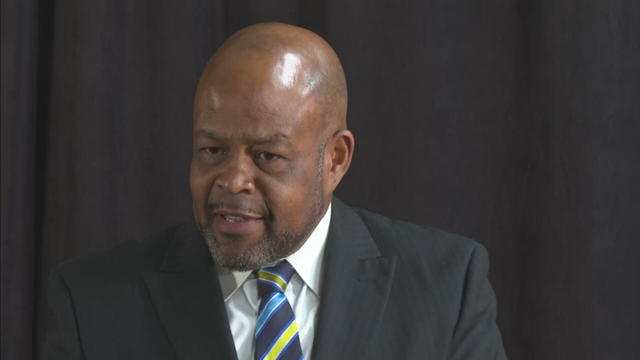
Former Denver Public Schools Executive Director of Communications Will Jones spoke to reporters on Thursday, a few days after he claimed the district's superintendent is trying to keep information from the public.
The bill approving the program was signed into law two years ago but the legislation required a study to determine how much the program would cost.

Metropolitan State University of Denver is unveiling a first-of-its-kind program in the nation. The college will be offering certificates in the cannabis industry. The program will give students a comprehensive view of the cannabis industry from a hospitality standpoint.
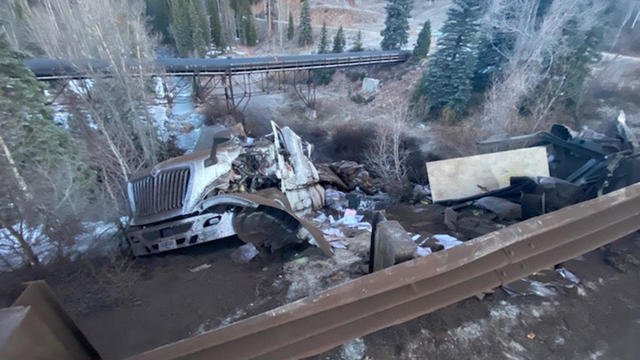
On Thursday, US Highway 550 was closed about two miles north of Purgatory Ski Resort in La Plata and San Juan counties for the recovery of a crashed semi.
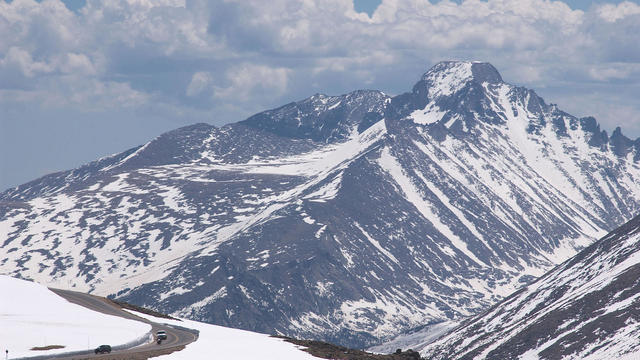
A new way of studying altitude is adjusting a few things across Colorado, from our famous peaks to the famous steps at the Colorado State Capitol.
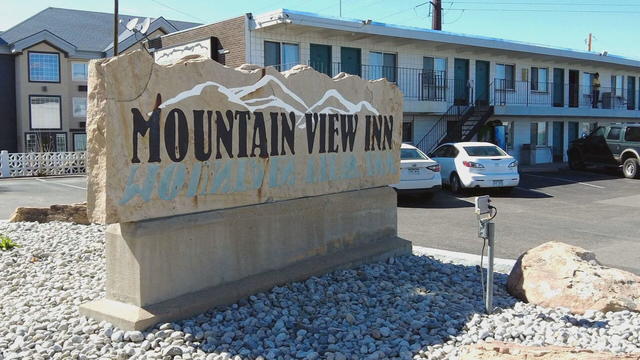
One resident of the Mountain View Inn will have to leave so the property can be turned into transitional housing, but she has nowhere to go and finds it ironic that the company would make someone homeless in order to help the homeless.

More than 70 employees of a longstanding Commerce City business are out of a job and paycheck after the company filed for bankruptcy earlier this month.

Colorado voters will not get the chance to weigh in on whether the statute of limitations should be lifted for child sex assault civil cases. A constitutional amendment referring the question to voters failed in the state senate after every Republican voted against it.

Watch meteorologist Callie Zanandrie's forecast.

The Colorado Avalanche have one game to go until the postseason, and it's hard to imagine the team is feeling good about where they are right now. They've lost seven of their last 10 games.

The No. 1 pick in this year's WNBA draft is "going to raise all boats" for players in the league, one expert said.
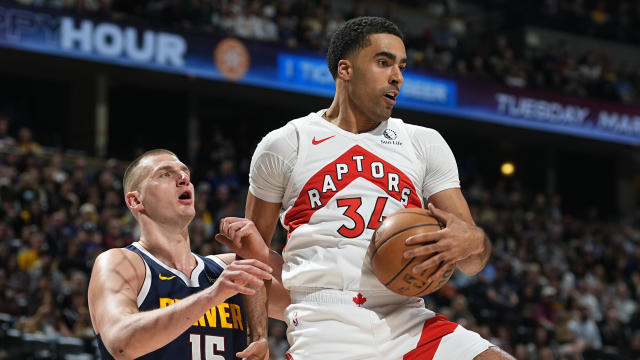
Jontay Porter is the second person to be banned from the league for violating league rules after now-former Los Angeles Clippers owner Donald Sterling in 2014.

The Denver Nuggets' first round postseason matchup with the Los Angeles Lakers begins this weekend. The defending champions will host the Lakers on Saturday and Monday, then the series shifts.
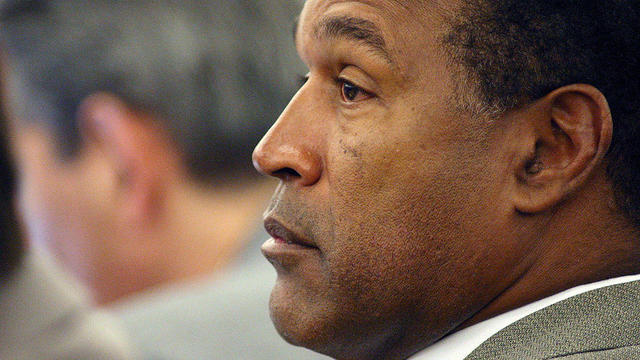
O.J. Simpson's longtime lawyer in Las Vegas says the end came quickly.
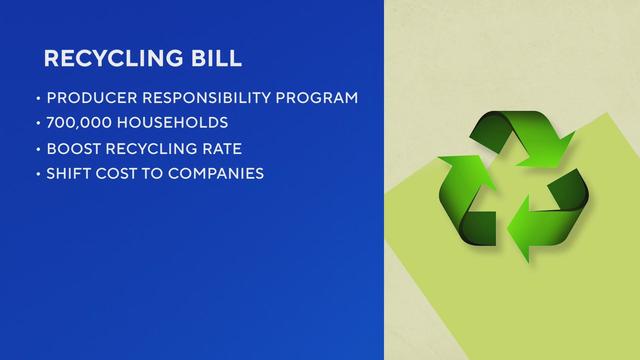
The bill approving the program was signed into law two years ago but the legislation required a study to determine how much the program would cost.
Former Denver Public Schools Executive Director of Communications Will Jones spoke to reporters on Thursday, a few days after he claimed the district's superintendent is trying to keep information from the public.
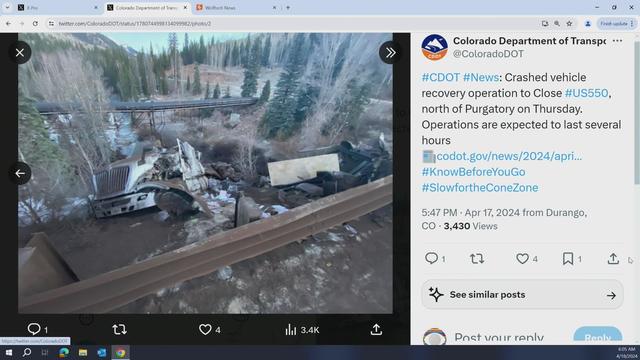
On Thursday, US Highway 550 was closed about two miles north of Purgatory Ski Resort in La Plata and San Juan counties for the recovery of a crashed semi.
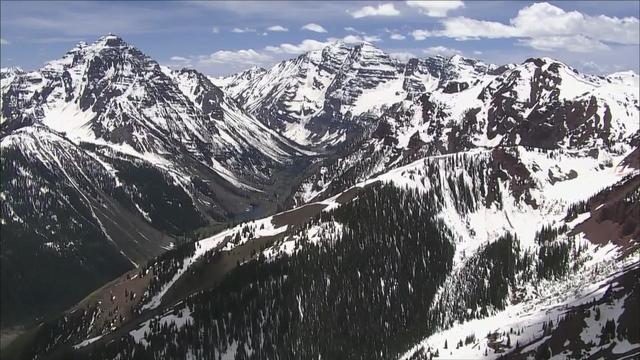
A study shows some of Colorado's Fourteeners have different elevations than what has previously been listed.
Watch meteorologist Callie Zanandrie's forecast.

A juror who was chosen to serve earlier this week said she "definitely has concerns now" after friends and family asked her if she was a juror.

Former President Donald Trump met Wednesday in New York with Polish President Andrzej Duda, the latest in a series of meetings with foreign leaders as Europe braces for the possibility of a second Trump term.
Colorado voters will not get the chance to weigh in on whether the statute of limitations should be lifted for child sex assault civil cases. A constitutional amendment referring the question to voters failed in the state senate after every Republican voted against it.

Under the 5th Amendment, the jury is prohibited from holding it against former President Donald Trump if he does not testify.

House Republican leadership on Wednesday unveiled three bills that are part of a complicated plan by Speaker Mike Johnson to approve more foreign aid.

Denver Mayor Mike Johnston on Wednesday called for a review of the Denver Fire Department's use of comp time by top commanders, less than 24 hours after a CBS News Colorado investigation aired.
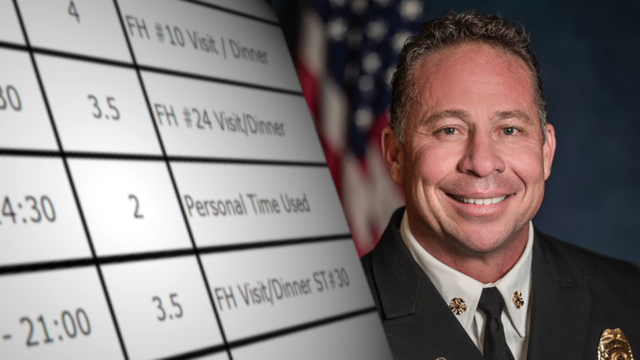
Denver's municipal code appears to explicitly forbid the department's executive staff from accruing comp time, but the chief billed $42,000 in comp time in 2021, 2022 and 2023 for funerals, retirement parties, the MLB All-Star Game and more.
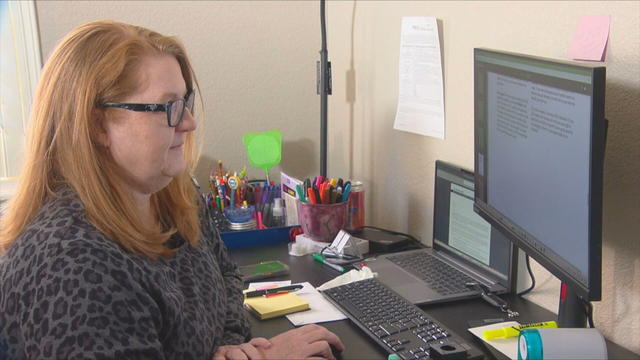
About 2.5% of Colorado's unemployment claims are currently held up on program integrity holds. The state says that's 1,208 claims out of 47,981 active unemployment claims in the state.

Hyundai owners have endured significant challenges in recent years, with some becoming victims of auto theft at least once.
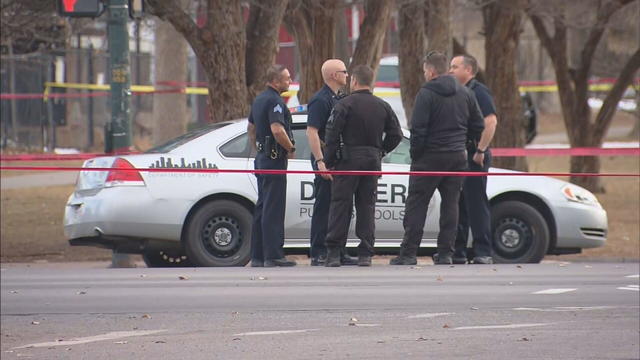
The Investigators with CBS News Colorado have obtained new data showing just how many threats were in Denver Public Schools this year.

Health officials are warning consumers not to consume the Infinite Herbs basil sold at Trader Joe's after 12 people were sickened.

Organic option is best when buying certain produce, especially blueberries, nonprofit group says in analysis of chemical residues.

A new generation of deodorant products promise whole-body odor protection. Should you try one? Dermatologists share what to know.

The $872 million most likely excludes any amount UnitedHealth may have paid to hackers in ransom.

The recall comes years after surgeons say they first noticed problems with the HeartMate II and HeartMate 3, manufactured by Thoratec Corp., a subsidiary of Abbott Laboratories.

Just four months into the year, more than 7,400 people have applied for Denver's rental assistance program, TRUA.

Many families who are newcomers to Denver are still struggling to find stability with housing and food.
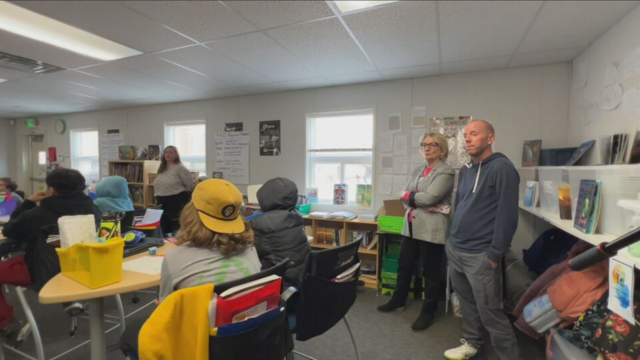
Josh Scott is using his problem-solving skills to try to help schools absorbing large numbers of students from the southern border.
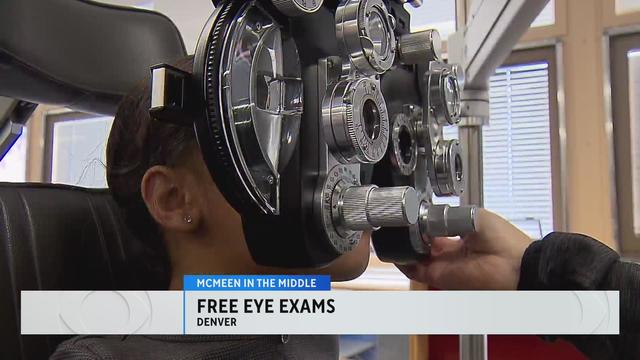
The organization Eye Love Care is helping McMeen Elementary School students with free eye exams.
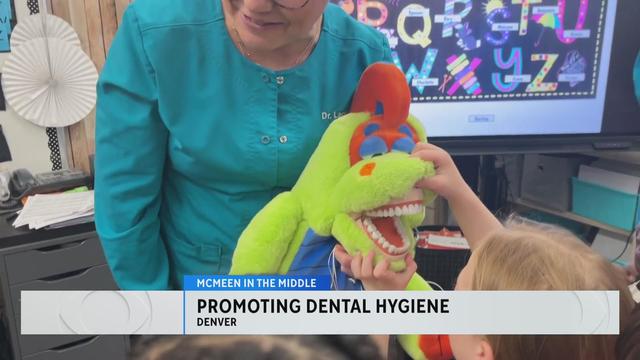
A dentist and hygienist visited McMeen Elementary to educate the students about the importance of dental hygiene.
Thursday will be cold, wet and cloudy. Daytime highs will top out in the low 40s for the Denver metro area that's close to 25 degrees cooler compared to Wednesday when we topped out at 73 degrees.
Former Denver Public Schools Executive Director of Communications Will Jones spoke to reporters on Thursday, a few days after he claimed the district's superintendent is trying to keep information from the public.
The bill approving the program was signed into law two years ago but the legislation required a study to determine how much the program would cost.
Metropolitan State University of Denver is unveiling a first-of-its-kind program in the nation. The college will be offering certificates in the cannabis industry. The program will give students a comprehensive view of the cannabis industry from a hospitality standpoint.
On Thursday, US Highway 550 was closed about two miles north of Purgatory Ski Resort in La Plata and San Juan counties for the recovery of a crashed semi.
The bill approving the program was signed into law two years ago but the legislation required a study to determine how much the program would cost.
Former Denver Public Schools Executive Director of Communications Will Jones spoke to reporters on Thursday, a few days after he claimed the district's superintendent is trying to keep information from the public.
On Thursday, US Highway 550 was closed about two miles north of Purgatory Ski Resort in La Plata and San Juan counties for the recovery of a crashed semi.
A study shows some of Colorado's Fourteeners have different elevations than what has previously been listed.
Watch meteorologist Callie Zanandrie's forecast.
The Colorado Avalanche have one game to go until the postseason, and it's hard to imagine the team is feeling good about where they are right now. They've lost seven of their last 10 games.
The No. 1 pick in this year's WNBA draft is "going to raise all boats" for players in the league, one expert said.
Jontay Porter is the second person to be banned from the league for violating league rules after now-former Los Angeles Clippers owner Donald Sterling in 2014.
The Denver Nuggets' first round postseason matchup with the Los Angeles Lakers begins this weekend. The defending champions will host the Lakers on Saturday and Monday, then the series shifts.
O.J. Simpson's longtime lawyer in Las Vegas says the end came quickly.

Scientists are using a range of tools to protect the endangered wildlife that could disappear in coming decades.

Guitar legend Dickey Betts, who co-founded the Allman Brothers Band and wrote their biggest hit, "Ramblin' Man," has died.
Health officials are warning consumers not to consume the Infinite Herbs basil sold at Trader Joe's after 12 people were sickened.

Nine workers arrested after demonstrations at the tech giant's offices n New York and California.
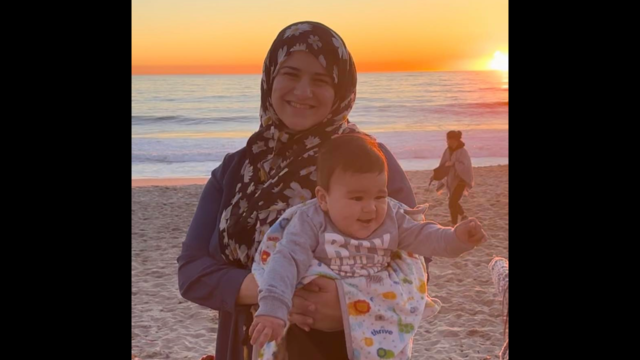
A woman fell 140 feet to her death while hiking on Bear Mountain in Sedona, a scenic Arizona mountain town and popular tourist destination.
A juror who was chosen to serve earlier this week said she "definitely has concerns now" after friends and family asked her if she was a juror.
Former President Donald Trump met Wednesday in New York with Polish President Andrzej Duda, the latest in a series of meetings with foreign leaders as Europe braces for the possibility of a second Trump term.
Colorado voters will not get the chance to weigh in on whether the statute of limitations should be lifted for child sex assault civil cases. A constitutional amendment referring the question to voters failed in the state senate after every Republican voted against it.
Under the 5th Amendment, the jury is prohibited from holding it against former President Donald Trump if he does not testify.
House Republican leadership on Wednesday unveiled three bills that are part of a complicated plan by Speaker Mike Johnson to approve more foreign aid.
Health officials are warning consumers not to consume the Infinite Herbs basil sold at Trader Joe's after 12 people were sickened.
Organic option is best when buying certain produce, especially blueberries, nonprofit group says in analysis of chemical residues.
A new generation of deodorant products promise whole-body odor protection. Should you try one? Dermatologists share what to know.
The $872 million most likely excludes any amount UnitedHealth may have paid to hackers in ransom.
The recall comes years after surgeons say they first noticed problems with the HeartMate II and HeartMate 3, manufactured by Thoratec Corp., a subsidiary of Abbott Laboratories.
Metropolitan State University of Denver is unveiling a first-of-its-kind program in the nation. The college will be offering certificates in the cannabis industry. The program will give students a comprehensive view of the cannabis industry from a hospitality standpoint.
Health officials are warning consumers not to consume the Infinite Herbs basil sold at Trader Joe's after 12 people were sickened.
Nine workers arrested after demonstrations at the tech giant's offices n New York and California.

The U.S. is reaching "peak 65," marking the largest retirement wave in American history. But the financial outlook for many is grim.
Organic option is best when buying certain produce, especially blueberries, nonprofit group says in analysis of chemical residues.

You've probably noticed recently the amount or quantity in a package of food or house supplies is decreasing, while the price is increasing.
Receiving a phone call with information saying it's your loved one on the other line can be harmless. However, it could be part of an elaborate plan from a scammer.
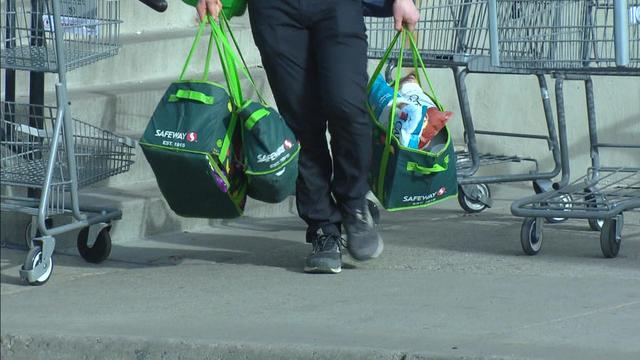
Inflation is cooling right now, but the prices of groceries and food are still rising. For example, the latest CPI data shows that grocery store prices are 25% higher than in January 2020.
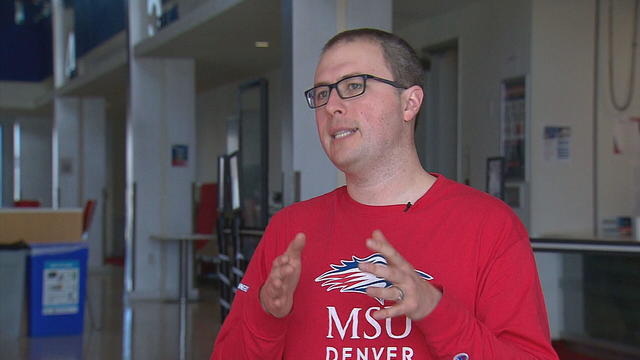
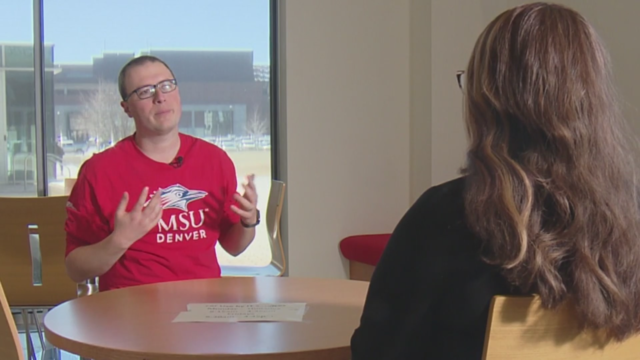
MSU Denver students have a direct hand in helping Colorado taxpayers get their taxes filed and done.

More help is on the way for Coloradans struggling to pay their rent. It's through the state's Temporary Rental Assistance Grant and the first deadline of the year for pre-applications is at 5 p.m. Tuesday.