CBS News Live
CBS News Colorado: Local News, Weather & More
Watch CBS News

Covering Colorado First
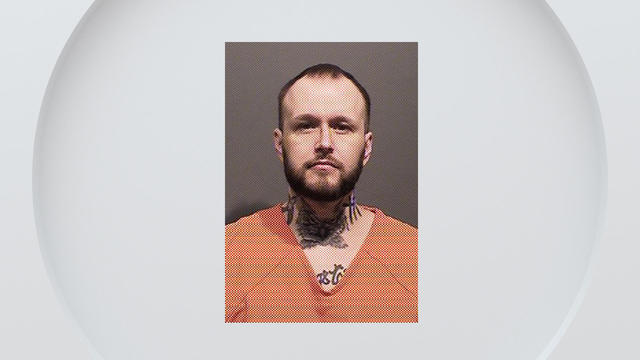
Brock Troy Nieuwendorp was sentenced on Wednesday to 26 years in prison for distributing fentanyl that killed Catherine "Kate" Hackim last year.
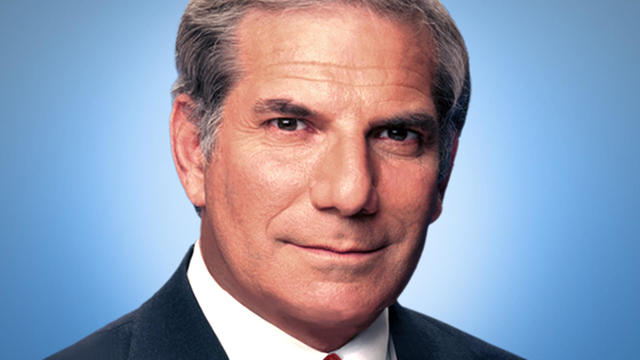
Veteran CBS News Colorado reporter Rick Sallinger has died. His death was due to natural causes.
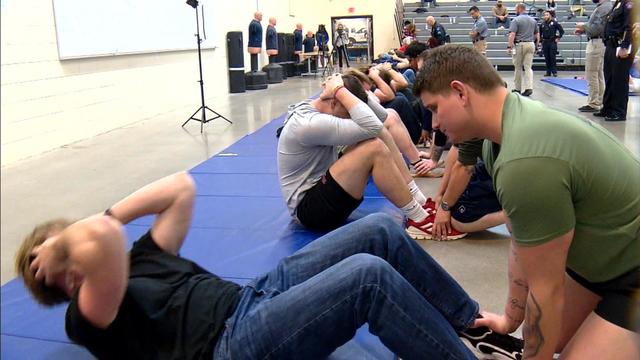
The Aurora Police Department is partnering with the Community College of Aurora for a cadet pilot program.

What now looks like a typical one-bedroom apartment at 7401 Broadway in Adams County looked a lot different over five years ago.

Larimer County Commissioners unanimously approved a hotly contested water pipeline proposal that will deliver drinking water to residents of the city of Thornton.
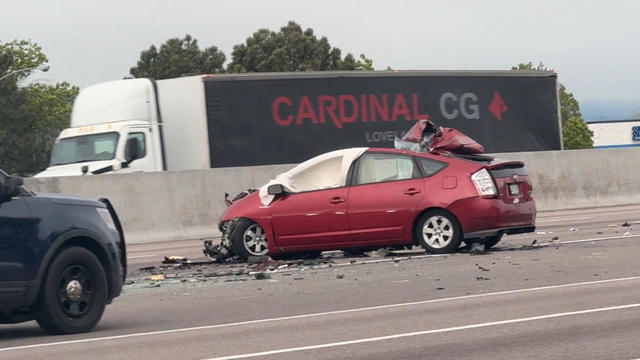
A man was killed in a crash involving a semi truck and a car on Interstate 70 in Aurora.
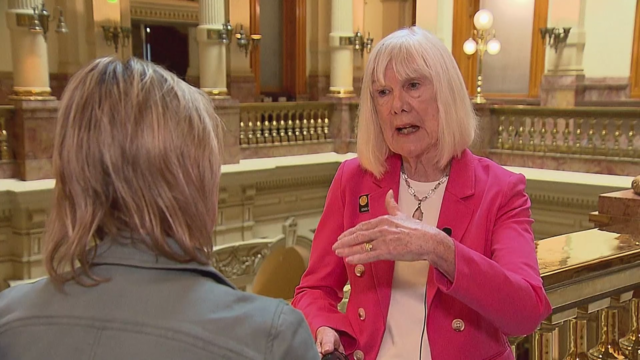
On the last day of the legislative session, state lawmakers approved one of the biggest investments in child welfare in years.

The $33 million Great Lengths for the High Line campaign aims "to breathe new life" and ensure the canal's preservation for generations to come.

Investigators believe that Antonio Vasquez and Jason Trujillo, Jr. shot Dacien Salazar on Valentine's Day outside the Denver Aquarium.
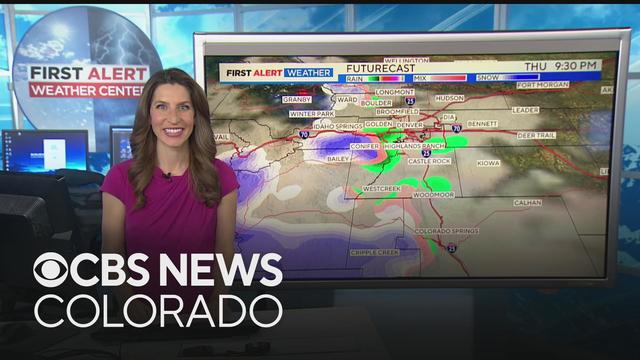
Watch meteorologist Callie Zanandrie's forecast.

The league announced on Wednesday that Denver Nuggets center Nikola Jokic won the NBA Kia MVP for the third time in his career.
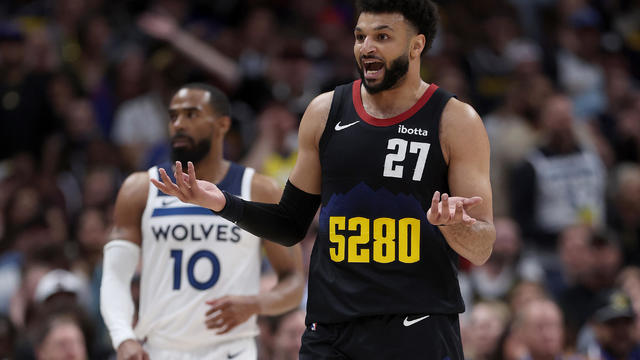
Denver Nuggets guard Jamal Murray apologized for his actions during the Nuggets game 2 loss to Minnesota, resulting in a $100,000 fine by the NBA.

The Olympic flame arrived in France aboard a 19th century tall ship to kick off a 7,500-mile journey to the Paris Summer Games.

Long-time Denver Broncos assistant coach Joe Collier passed Monday night at his home in Littleton.
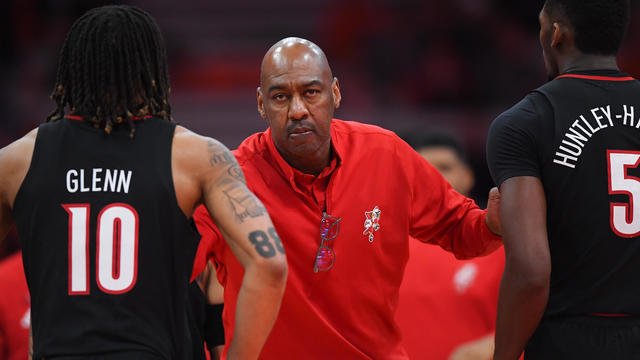
Tad Boyle announced on Tuesday that former basketball great Danny Manning has been hired as an assistant coach for the University of Colorado men's basketball team.

A man was killed in a crash involving a semi truck and a car on Interstate 70 in Aurora.

University of Colorado students walked across the stage in the commencement ceremony at Folsom Field.

Denver Mayor Mike Johnston is announcing a "Vibrant Denver" plan to help transform downtown.

A major highway in the Denver metro area continued to be closed in sections as Aurora police investigated a potentially deadly crash.
Watch meteorologist Callie Zanandrie's forecast.

Democrats running for office are using abortion rollbacks to galvanize voters, with abortion rights ballot initiatives amplifying their lines of attack.
On the last day of the legislative session, state lawmakers approved one of the biggest investments in child welfare in years.
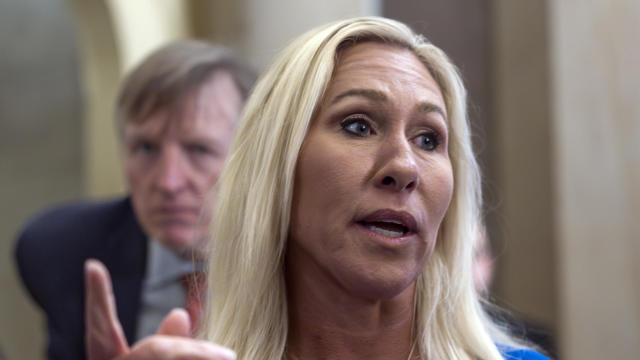
Greene's move marked a reversal from a day earlier, when the Georgia Republican appeared to retreat from her threat to trigger a vote to remove Johnson as speaker.

The Biden administration is planning to announce a new regulation designed to allow immigration officials to deport migrants ineligible for U.S. asylum earlier in the process.
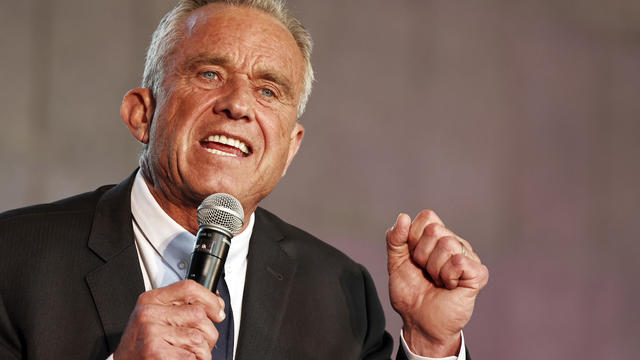
Kennedy campaign spokesperson Stefanie Spear said in a statement that "the issue was resolved more than 10 years ago, and he is in robust physical and mental health."

The City of Denver has authorized as much as $100,000 for an independent investigation into the Denver Fire Department command staff's use of flex time, which first came to light via a CBS News Colorado investigation last month.

CBS News Colorado wanted to know – what is the protection offering and is it really necessary? So, we reached out to experts to break it down, so you can decide what's best for your home, and pocketbook.
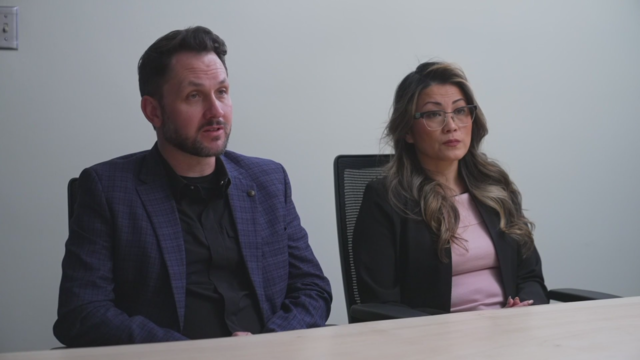
Two trustees for the town of Lakeside say that despite an ongoing criminal investigation that appears to revolve around the town's mayor and his daughter, not much has changed in the last eight months, and the town is still being run "as a family business."

Former United States Attorney for the District of Colorado will lead the independent investigation into the Denver Fire Department command staff's timekeeping practices.
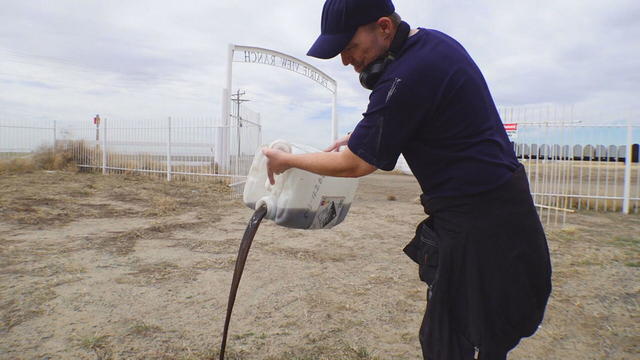
Certified lab results show the water system's black sludge is filled with radioactive lead and uranium.

Elon Musk's Neuralink finds a brain-computer interface device captured less data a month after implant surgery.
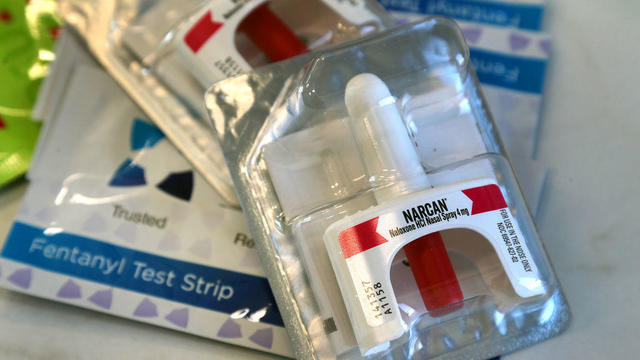
Almost 650,000 people aged 18 to 64 died of a drug overdose from 2011 to 2021, researchers found.

According to a new study, "vehicles are likely important sources of human exposure to potentially harmful" flame retardants.

Panera is phasing out a highly caffeinated selection of lemonade beverages that's at the center of several lawsuits.

Recall includes yogurt pretzels and other confections sold by retailers such as Dollar General, HyVee, Target and Walmart.
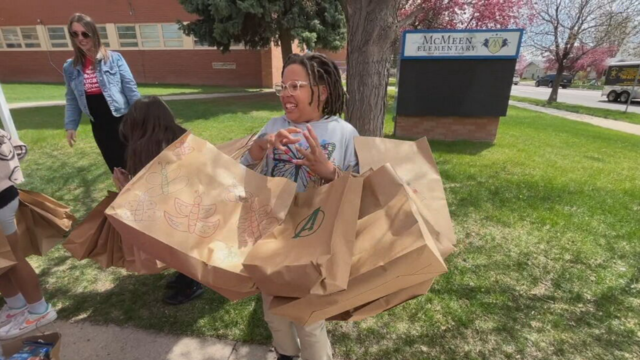
The Denver Public Schools Family & Community Engagement team wants to make it easy for businesses and organizations to help.
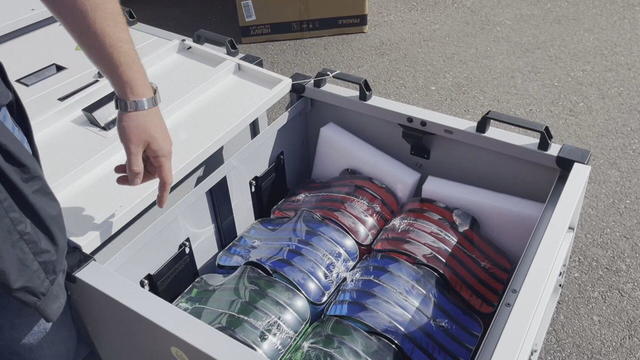
Volunteers with Subaru donated 24 charging stations so students will have a place to charge their tablets and other electronic devices.
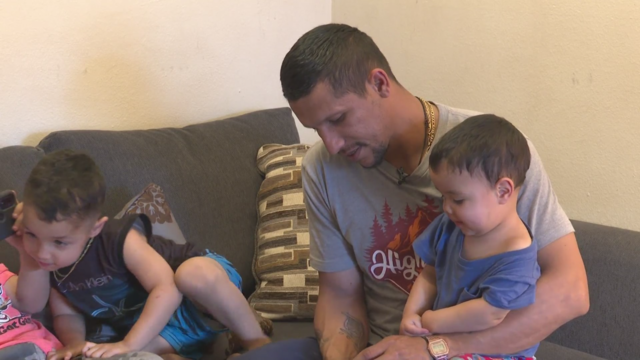
Just four months into the year, more than 7,400 people have applied for Denver's rental assistance program, TRUA.

Many families who are newcomers to Denver are still struggling to find stability with housing and food.

Josh Scott is using his problem-solving skills to try to help schools absorbing large numbers of students from the southern border.
Brock Troy Nieuwendorp was sentenced on Wednesday to 26 years in prison for distributing fentanyl that killed Catherine "Kate" Hackim last year.
Veteran CBS News Colorado reporter Rick Sallinger has died. His death was due to natural causes.
The Aurora Police Department is partnering with the Community College of Aurora for a cadet pilot program.
What now looks like a typical one-bedroom apartment at 7401 Broadway in Adams County looked a lot different over five years ago.
Larimer County Commissioners unanimously approved a hotly contested water pipeline proposal that will deliver drinking water to residents of the city of Thornton.
A man was killed in a crash involving a semi truck and a car on Interstate 70 in Aurora.
University of Colorado students walked across the stage in the commencement ceremony at Folsom Field.
Denver Mayor Mike Johnston is announcing a "Vibrant Denver" plan to help transform downtown.
A major highway in the Denver metro area continued to be closed in sections as Aurora police investigated a potentially deadly crash.
Watch meteorologist Callie Zanandrie's forecast.
The league announced on Wednesday that Denver Nuggets center Nikola Jokic won the NBA Kia MVP for the third time in his career.
Denver Nuggets guard Jamal Murray apologized for his actions during the Nuggets game 2 loss to Minnesota, resulting in a $100,000 fine by the NBA.
The Olympic flame arrived in France aboard a 19th century tall ship to kick off a 7,500-mile journey to the Paris Summer Games.
Long-time Denver Broncos assistant coach Joe Collier passed Monday night at his home in Littleton.
Tad Boyle announced on Tuesday that former basketball great Danny Manning has been hired as an assistant coach for the University of Colorado men's basketball team.
Elon Musk's Neuralink finds a brain-computer interface device captured less data a month after implant surgery.

Disney and Warner Bros. Discovery plan to launch a combined Disney+, Hulu and Max streaming service this summer.
Democrats running for office are using abortion rollbacks to galvanize voters, with abortion rights ballot initiatives amplifying their lines of attack.

Florida sheriff deputies burst into the wrong apartment and fatally shot Senior Airman Roger Fortson, Civil rights attorney Ben Crump said.

Four flight attendants who worked at major international airlines and flew from the U.S. to the Dominican Republic were charged for allegedly smuggling drug money.
Democrats running for office are using abortion rollbacks to galvanize voters, with abortion rights ballot initiatives amplifying their lines of attack.
On the last day of the legislative session, state lawmakers approved one of the biggest investments in child welfare in years.
Greene's move marked a reversal from a day earlier, when the Georgia Republican appeared to retreat from her threat to trigger a vote to remove Johnson as speaker.
The Biden administration is planning to announce a new regulation designed to allow immigration officials to deport migrants ineligible for U.S. asylum earlier in the process.
Kennedy campaign spokesperson Stefanie Spear said in a statement that "the issue was resolved more than 10 years ago, and he is in robust physical and mental health."
Elon Musk's Neuralink finds a brain-computer interface device captured less data a month after implant surgery.
Almost 650,000 people aged 18 to 64 died of a drug overdose from 2011 to 2021, researchers found.
According to a new study, "vehicles are likely important sources of human exposure to potentially harmful" flame retardants.
Panera is phasing out a highly caffeinated selection of lemonade beverages that's at the center of several lawsuits.
Recall includes yogurt pretzels and other confections sold by retailers such as Dollar General, HyVee, Target and Walmart.
Elon Musk's Neuralink finds a brain-computer interface device captured less data a month after implant surgery.
Disney and Warner Bros. Discovery plan to launch a combined Disney+, Hulu and Max streaming service this summer.

Justice Department accuses Hyundai Capital America of failing to obtain court orders before repossessing service members' cars.

The cost to buy a home is historically high, but Congress and the administration can do much more, experts say.
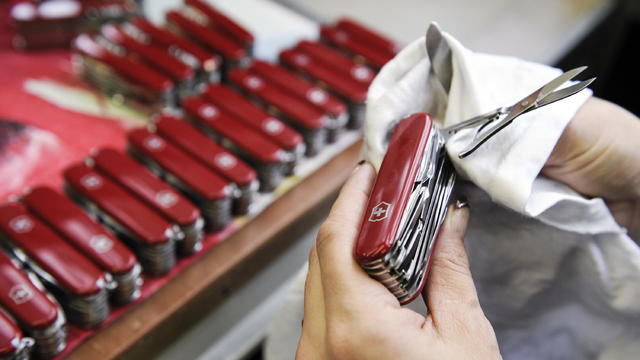
Victorinox, the maker of the Swiss Army Knife, says it's in the early stage of working on new products without knives.

"Happiness, peace, and dreams aren't for other communities. These goals are accessible to us as well," one grant recipient said. "I was so proud, because I realized in that moment I was breaking a cycle."

Investors are now closely watching what is happening in the Iran-Israel conflict in the Middle East because of its impact on their investments.
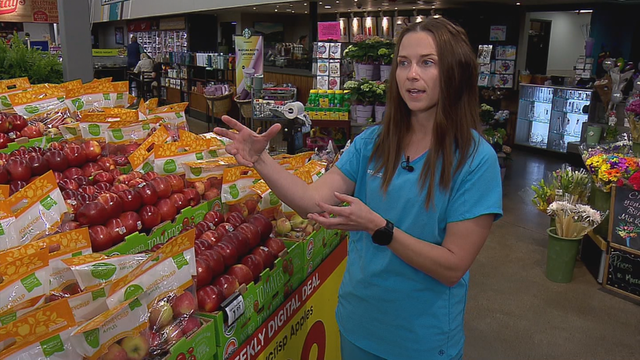
Eating a healthy, balanced diet when money is tight can be tough. And it's no secret that food costs have skyrocketed within the past year. According to the U.S. Department of Agriculture, food costs in 2023 rose 5.8%.

A Denver nonprofit that works with communities to plant trees and improve parks is having a special giveaway, providing trees for free and at a discount.

You've probably noticed recently the amount or quantity in a package of food or house supplies is decreasing, while the price is increasing.