CBS News Live
CBS News Colorado: Local News, Weather & More
Watch CBS News

Covering Colorado First

One of the largest dams built in the United States in the last two decades is one year away from completion, a dam that will help supply water to Northern Coloradans for decades to come.

Join CBS Colorado, 97.3 KBCO, and Raise the Future for A Day for Wednesday's Child. Anchor Mekialaya White will introduce viewers to many children still waiting for homes and will share success stories of those children who have found loving homes.
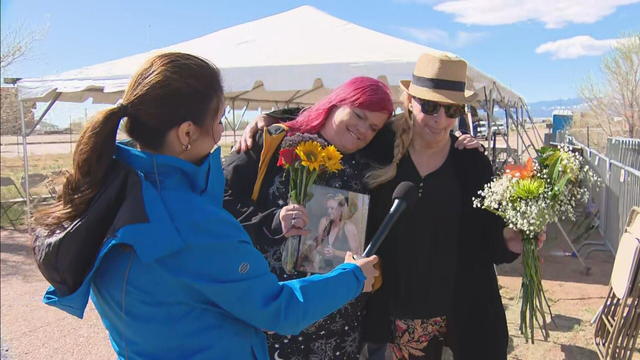
Families gathered outside the Return to Nature Funeral Home in Penrose on Tuesday for a ceremony before the facility was demolished.

Over a year after a 28-year-old was tased by a deputy in the middle of I-25 and then struck and killed by a motorist, the man's family has filed a lawsuit against the Larimer County Sheriff's Office.

Raise the Future helped 313 young people move out of foster care and into loving homes last year. The organization specializes in finding caring adults for older youth and sibling groups, who often linger in the system the longest.

Nearly 400 children in Colorado's foster care system are awaiting adoption, while over 6,000 Colorado kids remain in limbo, hoping to be reunited with their families.

If you're heading to Red Rocks Amphitheatre to see a concert this year, be ready for some changes. The venue's management says they completed a "whirlwind" of improvement projects over the winter months.
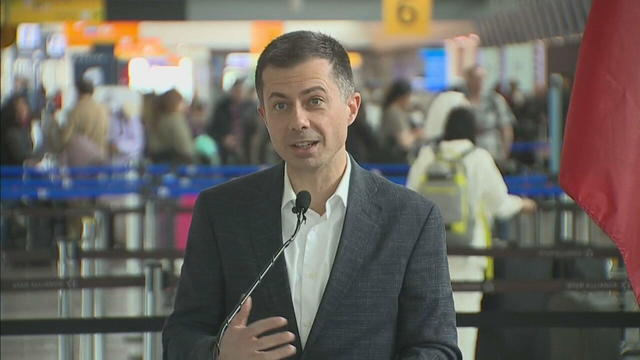
U.S. Secretary of Transportation Pete Buttigieg visited Denver International Airport on Tuesday to announce a new partnership with Colorado Attorney General Phil Weiser.

The married couple who own the Return to Nature Funeral Home in Penrose are back behind bars as the facility where nearly 200 "improperly stored bodies" were discovered last fall will be demolished.
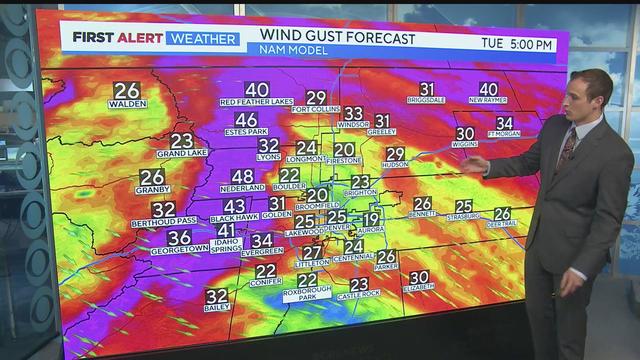
Watch First Alert Meteorologist Joe Ruch's full forecast
Join CBS Colorado, 97.3 KBCO, and Raise the Future for A Day for Wednesday's Child. Anchor Mekialaya White will introduce viewers to many children still waiting for homes and will share success stories of those children who have found loving homes.
Raise the Future helped 313 young people move out of foster care and into loving homes last year. The organization specializes in finding caring adults for older youth and sibling groups, who often linger in the system the longest.
Nearly 400 children in Colorado's foster care system are awaiting adoption, while over 6,000 Colorado kids remain in limbo, hoping to be reunited with their families.
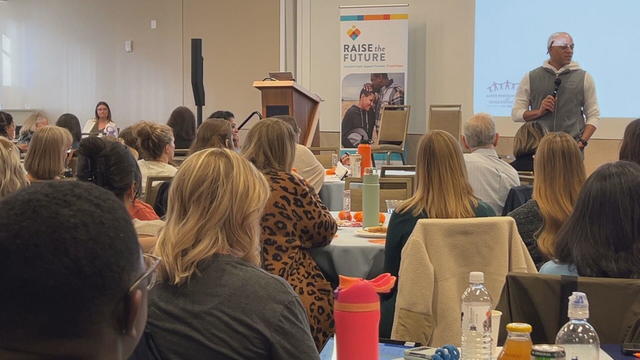
Raise the Future is the expert in TBRI, which is a set of tools that help parents relate to kids who've experienced trauma.
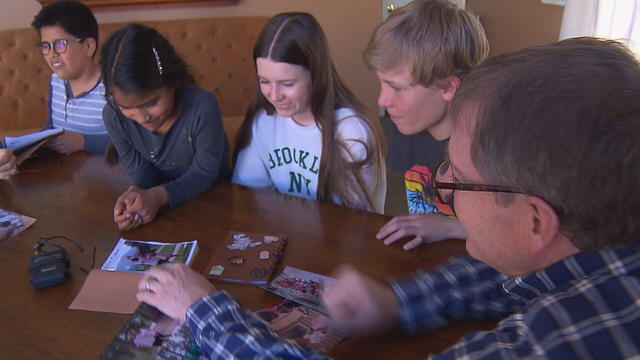
Raise the Future hosts a camp for families providing fun camp experience and intentional healing.

Pitcher Kyle Freeland is listed as day-to-day on the Colorado injury report after hurting his shoulder while he was being used as a pinch-runner on Monday in what was a rough night for the Rockies.

A whopping 10,000 athletes will carry the torch 3,100 miles over 68 days.

It's that time of year, and Colorado Avalanche fans get to look forward to postseason hockey without having to sweat out the last few days of the regular season.

Caitlin Clark has been selected with the No. 1 pick in the WNBA draft by the Indiana Fever.
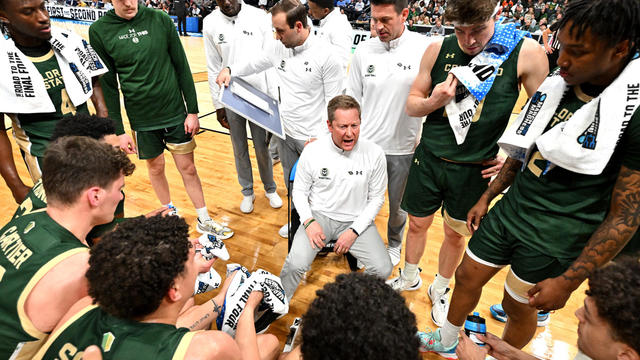
The Rams announced that they've reached a long-term extension with basketball coach Niko Medved. Medved has coached the Colorado State men's team since the 2018-19 and has had four 20+ win seasons during his tenure, include this past season.

Renesmee and Rosy recently found their forever family, and the sisters are thriving.
Watch First Alert Meteorologist Joe Ruch's full forecast
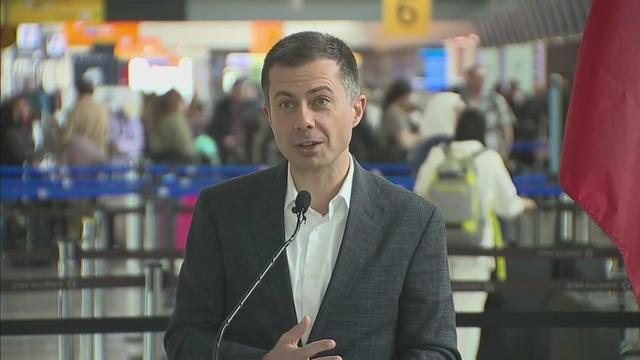
Transportation Secretary Pete Buttigieg visited Denver International Airport as part of a new effort to protect airline passengers amid an increase in complaints about flight disruptions.

Families of those whose remains were found inside the Return to Nature Funeral Home gathered in Penrose for a ceremony as demolition began on Tuesday.

First Alert Meteorologist Callie Zanandrie shows us the changes this week across Colorado.

Some parents and state lawmakers have noticed a trend of students not having enough time to eat at some schools in Colorado.

Seven Manhattan residents were selected Tuesday afternoon to serve on the jury in former President Donald Trump's criminal trial.

President Biden believes painting former President Trump as a "threat" to democracy is a crucial contrast to highlight in his campaign.

The House speaker says he wants to put up separate individual bills on aid for Ukraine, Israel, and Taiwan.

Justice Clarence Thomas did not attend oral arguments at the Supreme Court on Monday.
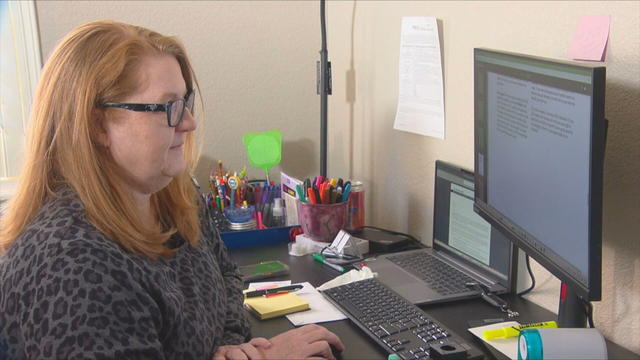
About 2.5% of Colorado's unemployment claims are currently held up on program integrity holds. The state says that's 1,208 claims out of 47,981 active unemployment claims in the state.

Hyundai owners have endured significant challenges in recent years, with some becoming victims of auto theft at least once.

The Investigators with CBS News Colorado have obtained new data showing just how many threats were in Denver Public Schools this year.

Mail theft complaints are on the rise in Colorado, in part, because of the key system used by the U.S. Postal Service. A closer look at the numbers revealed a widespread problem that federal officials believe is also leading to an increase in check fraud.

The former DoubleTree hotel at 4040 Quebec Street was converted to a shelter for the homeless in December 2023.

"Grief has come to us in waves. Moments of feeling absolutely gutted... then moments of feeling blessed by just getting a moment with her," the couple said.

Consumer complaints have risen in recent months of unauthorized enrollment in Affordable Care Act coverage.
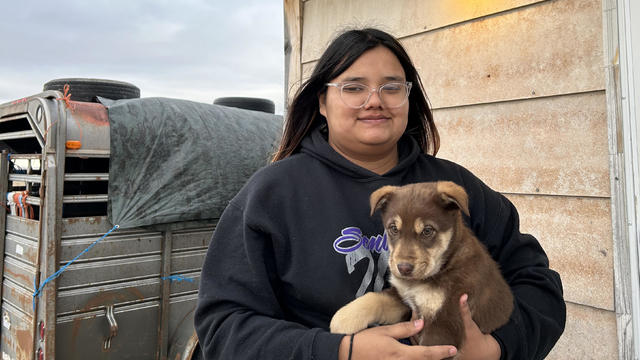
Social services, such as parenting classes and economic development programs, can help, some health experts say. But insurers don't always cover these services.
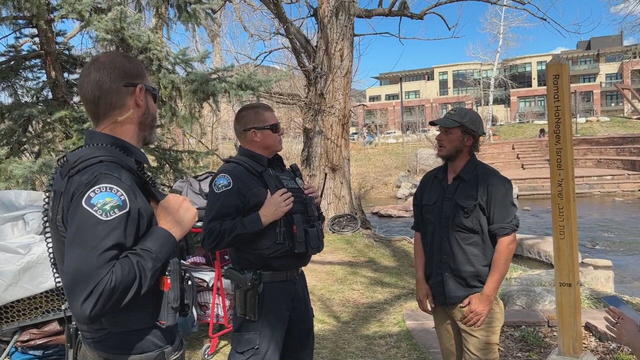
Two Boulder police officers in the department's Homeless Outreach Team talk about how people are often released when arrested on relatively minor charges as quickly as officers can complete the paperwork.

Donate Life Month promotes the importance of registering as an organ, eye and tissue donor. Two women know first-hand just how important organ donation can be.
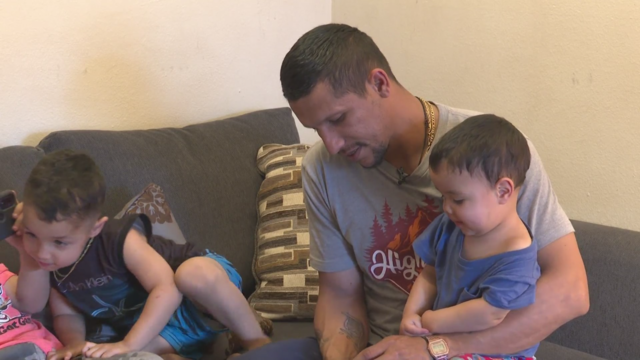
Just four months into the year, more than 7,400 people have applied for Denver's rental assistance program, TRUA.
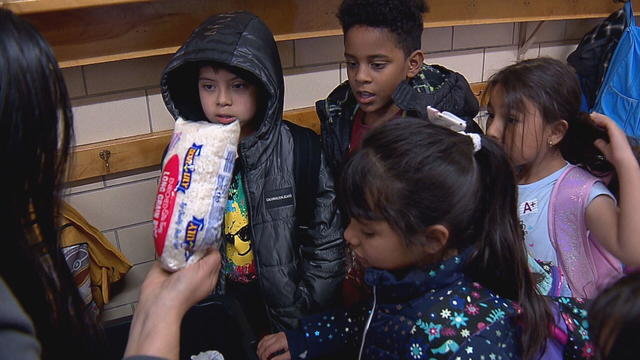
Many families who are newcomers to Denver are still struggling to find stability with housing and food.
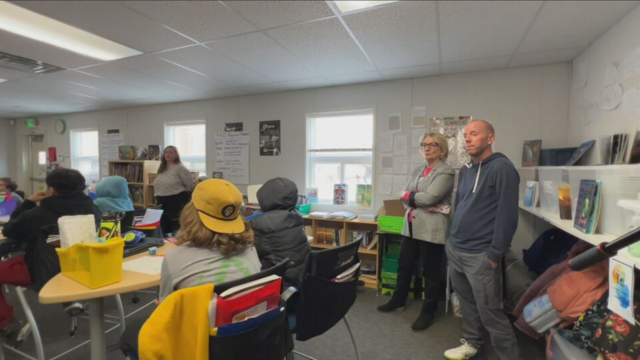
Josh Scott is using his problem-solving skills to try to help schools absorbing large numbers of students from the southern border.
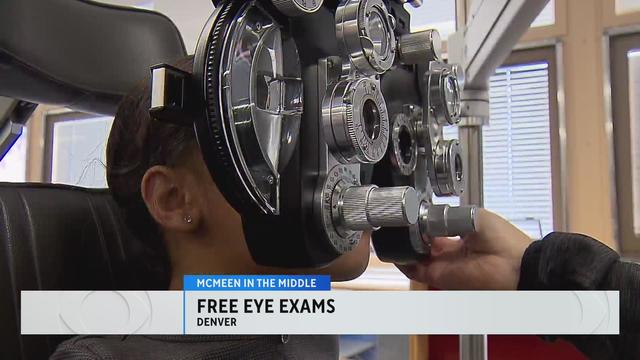
The organization Eye Love Care is helping McMeen Elementary School students with free eye exams.
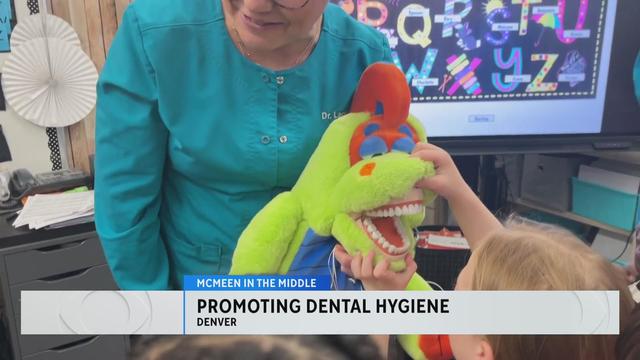
A dentist and hygienist visited McMeen Elementary to educate the students about the importance of dental hygiene.
One of the largest dams built in the United States in the last two decades is one year away from completion, a dam that will help supply water to Northern Coloradans for decades to come.
Join CBS Colorado, 97.3 KBCO, and Raise the Future for A Day for Wednesday's Child. Anchor Mekialaya White will introduce viewers to many children still waiting for homes and will share success stories of those children who have found loving homes.
Families gathered outside the Return to Nature Funeral Home in Penrose on Tuesday for a ceremony before the facility was demolished.
Over a year after a 28-year-old was tased by a deputy in the middle of I-25 and then struck and killed by a motorist, the man's family has filed a lawsuit against the Larimer County Sheriff's Office.
Raise the Future helped 313 young people move out of foster care and into loving homes last year. The organization specializes in finding caring adults for older youth and sibling groups, who often linger in the system the longest.
Renesmee and Rosy recently found their forever family, and the sisters are thriving.
Watch First Alert Meteorologist Joe Ruch's full forecast
Transportation Secretary Pete Buttigieg visited Denver International Airport as part of a new effort to protect airline passengers amid an increase in complaints about flight disruptions.
Families of those whose remains were found inside the Return to Nature Funeral Home gathered in Penrose for a ceremony as demolition began on Tuesday.
First Alert Meteorologist Callie Zanandrie shows us the changes this week across Colorado.
Pitcher Kyle Freeland is listed as day-to-day on the Colorado injury report after hurting his shoulder while he was being used as a pinch-runner on Monday in what was a rough night for the Rockies.
A whopping 10,000 athletes will carry the torch 3,100 miles over 68 days.
It's that time of year, and Colorado Avalanche fans get to look forward to postseason hockey without having to sweat out the last few days of the regular season.
Caitlin Clark has been selected with the No. 1 pick in the WNBA draft by the Indiana Fever.
The Rams announced that they've reached a long-term extension with basketball coach Niko Medved. Medved has coached the Colorado State men's team since the 2018-19 and has had four 20+ win seasons during his tenure, include this past season.
"Grief has come to us in waves. Moments of feeling absolutely gutted... then moments of feeling blessed by just getting a moment with her," the couple said.
A whopping 10,000 athletes will carry the torch 3,100 miles over 68 days.
Seven Manhattan residents were selected Tuesday afternoon to serve on the jury in former President Donald Trump's criminal trial.
President Biden believes painting former President Trump as a "threat" to democracy is a crucial contrast to highlight in his campaign.
Caitlin Clark has been selected with the No. 1 pick in the WNBA draft by the Indiana Fever.
Some parents and state lawmakers have noticed a trend of students not having enough time to eat at some schools in Colorado.
Seven Manhattan residents were selected Tuesday afternoon to serve on the jury in former President Donald Trump's criminal trial.
President Biden believes painting former President Trump as a "threat" to democracy is a crucial contrast to highlight in his campaign.
The House speaker says he wants to put up separate individual bills on aid for Ukraine, Israel, and Taiwan.
Justice Clarence Thomas did not attend oral arguments at the Supreme Court on Monday.
"Grief has come to us in waves. Moments of feeling absolutely gutted... then moments of feeling blessed by just getting a moment with her," the couple said.
Consumer complaints have risen in recent months of unauthorized enrollment in Affordable Care Act coverage.
Social services, such as parenting classes and economic development programs, can help, some health experts say. But insurers don't always cover these services.
Two Boulder police officers in the department's Homeless Outreach Team talk about how people are often released when arrested on relatively minor charges as quickly as officers can complete the paperwork.
Donate Life Month promotes the importance of registering as an organ, eye and tissue donor. Two women know first-hand just how important organ donation can be.

Bayer has been lobbying lawmakers in three states to pass bills providing it legal protection from suits claiming Roundup causes cancer. Experts say such a measure could have much broader implications.

The union for American Airlines pilots says it's been seeing "a significant spike in safety- and maintenance-related problems in our operation."
About 2.5% of Colorado's unemployment claims are currently held up on program integrity holds. The state says that's 1,208 claims out of 47,981 active unemployment claims in the state.

The housing market continues to be challenging for both buyers and sellers this year, as mortgage rates and asking prices continue to climb

Nike's unitard for female track and field athletes representing the U.S. at the 2024 Paris Olympics is too revealing, critics say.

You've probably noticed recently the amount or quantity in a package of food or house supplies is decreasing, while the price is increasing.
Receiving a phone call with information saying it's your loved one on the other line can be harmless. However, it could be part of an elaborate plan from a scammer.
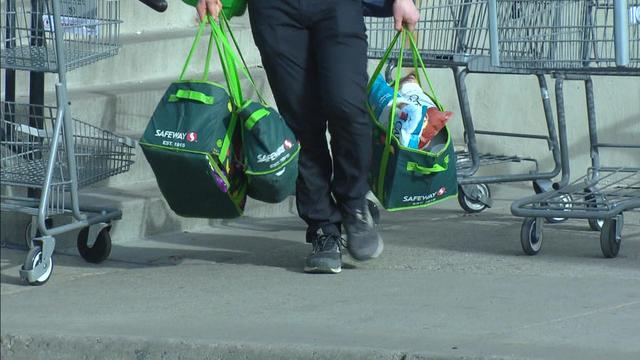
Inflation is cooling right now, but the prices of groceries and food are still rising. For example, the latest CPI data shows that grocery store prices are 25% higher than in January 2020.
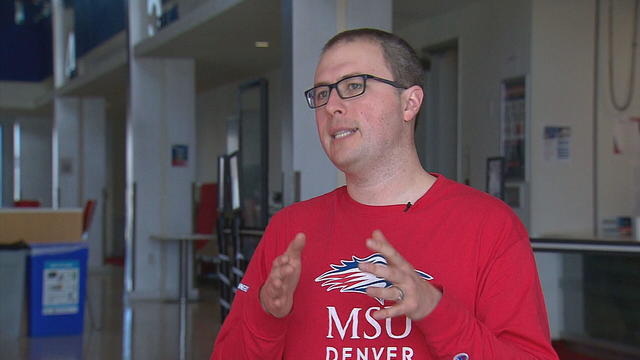
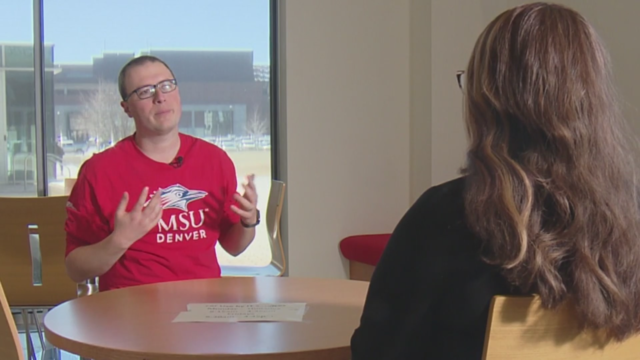
MSU Denver students have a direct hand in helping Colorado taxpayers get their taxes filed and done.

More help is on the way for Coloradans struggling to pay their rent. It's through the state's Temporary Rental Assistance Grant and the first deadline of the year for pre-applications is at 5 p.m. Tuesday.